


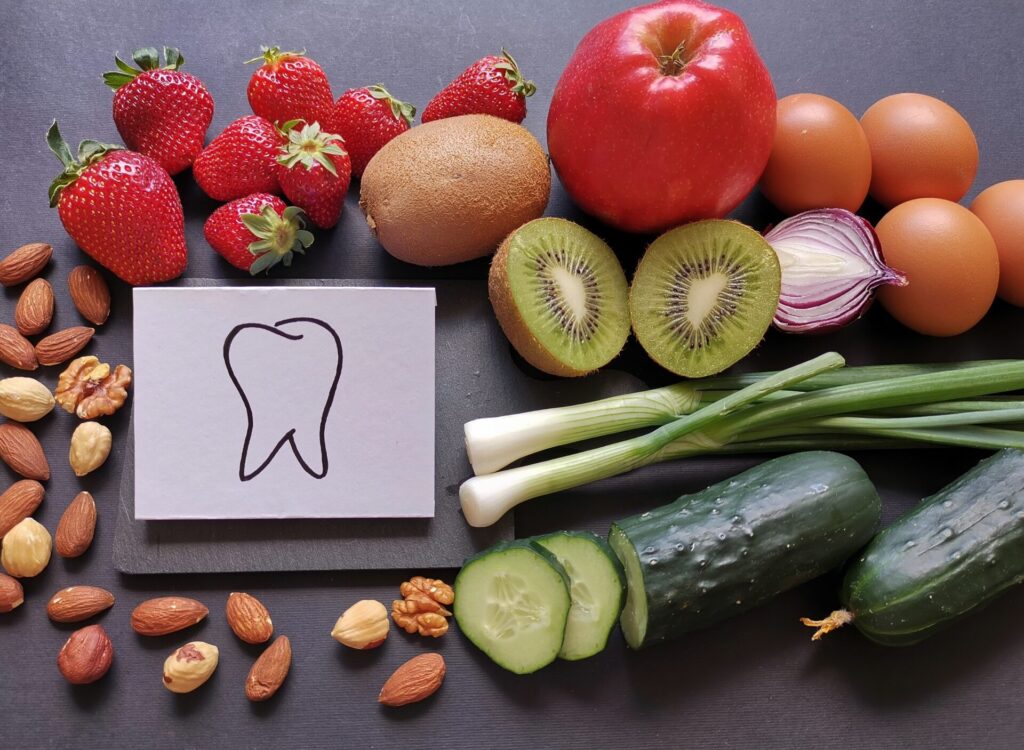
A healthy smile is not the result of good genes or expensive treatments. It is the result of consistent daily habits — small decisions made repeatedly that either protect or gradually erode the teeth and gums over time.
The habits that matter most for a healthy smile are not complicated. But they are specific. Brushing twice a day is a start, not a complete strategy. What you brush with, how you brush, what you eat, and what you do not do are all part of the picture.
Here are eight habits that make a measurable difference to oral health — backed by clinical evidence, not marketing copy.
1. BRUSH WITH TECHNIQUE, NOT JUST EFFORT
Most people brush too hard and too fast. Hard brushing feels thorough but causes two problems: it wears away enamel at the gum line over time, and it pushes gum tissue back — a process called recession that is irreversible without treatment.
Effective brushing for a healthy smile uses a soft-bristled brush, light pressure, and a 45-degree angle to the gum line. The goal is to clean the gum margin — the thin strip where tooth meets gum — where plaque accumulates and where gum disease begins. Short, gentle circular or horizontal strokes cover this margin far more effectively than long, aggressive scrubbing.
Two minutes is the minimum. Use a timer. Electric toothbrushes with a pressure sensor remove more plaque than manual brushing in clinical studies and take the guesswork out of technique.
2. FLOSS BEFORE YOU BRUSH — NOT AFTER
Most people who floss do it after brushing, if at all. Flossing before brushing is clinically more effective: it dislodges debris and breaks up plaque between the teeth so that the fluoride toothpaste applied immediately after can reach those surfaces.
Flossing after brushing still cleans between the teeth, but for a genuinely healthy smile — but it also removes the fluoride just applied to the areas that need it most.
A healthy smile requires cleaning between the teeth daily. The toothbrush only reaches three of the five surfaces of each tooth. The two surfaces facing adjacent teeth are only accessible with floss, an interdental brush, or a water flosser. Neglecting those surfaces means leaving roughly 40% of each tooth uncleaned — and that is where most cavities between teeth and gum disease begin.
3. DO NOT RINSE AFTER BRUSHING
Rinsing with water immediately after brushing is one of the most common habits that undermines a healthy smile — because it removes the fluoride that was just applied.
Fluoride does not work instantly. It needs sustained contact with the enamel surface to remineralise weakened areas and rebuild the protective layer against acid attack. Rinsing after brushing washes most of it away within seconds.
Spit — do not rinse. Leave the fluoride residue on the teeth. If using mouthwash, use it at a different time of day to brushing, not immediately after. This single change is one of the simplest and most evidence-supported improvements most people can make to their oral care routine.
4. DRINK MORE WATER — ESPECIALLY AFTER MEALS
Water does more for a healthy smile than most people recognise. It rinses food particles and sugar from tooth surfaces between meals. It dilutes the acids produced by bacteria after eating. And it maintains saliva production — the mouth’s primary natural defence against bacterial overgrowth.
Saliva is underappreciated. It neutralises acid, delivers minerals to the enamel, and contains antimicrobial proteins that directly suppress the bacteria responsible for decay and gum disease. Chronic dehydration reduces saliva flow, which accelerates bacterial activity and acid damage.
The practical habit: drink a glass of water after every meal and after any sugary or acidic drink. It will not undo the damage of a poor diet, but it meaningfully reduces its impact.
Tap water in many countries contains fluoride at low concentrations — an additional passive benefit for enamel protection that bottled water typically does not provide.
5. MANAGE SUGAR FREQUENCY, NOT JUST QUANTITY
Sugar causes tooth decay not through the amount consumed but through the frequency of exposure. Every time sugar enters the mouth, the bacteria that cause decay metabolise it and produce acid. That acid attacks the enamel for approximately 20 minutes after each exposure.
Three sugary drinks consumed over three hours mean three separate acid attacks of 20 minutes each. The same sugar consumed in one sitting means one 20-minute attack. The total sugar consumed is identical; the damage to the enamel is dramatically different.
The habit that protects a healthy smile is not eliminating sugar — it is reducing the frequency of exposure. Sugary snacks eaten throughout the day are far more damaging than the same amount consumed with a meal. Sipping a sugary drink slowly over an hour keeps the mouth in an acidic state continuously.
For parents: this applies directly to children. Frequent snacking on sugary foods — even fruit juice — is one of the primary drivers of early childhood decay.
6. LIMIT ACIDIC FOOD AND DRINK — AND TIME IT CORRECTLY
Acid erodes enamel directly, without requiring bacteria as an intermediary. Citrus fruit, vinegar-based dressings, fizzy drinks (including sparkling water), wine, and many sports drinks are all acidic enough to cause measurable enamel erosion with regular exposure.
The damage is not from occasional consumption — it is from frequent, prolonged contact. Sipping sparkling water or a sports drink over the course of a gym session exposes the enamel to sustained acid for far longer than drinking it in one go.
The specific habit worth adopting: do not brush your teeth immediately after consuming acidic food or drink. The enamel is temporarily softened by acid exposure and brushing at that moment removes more surface than it should. Wait at least 30 minutes. Rinse with water immediately after the acidic food or drink to neutralise the acid, then brush later.
7. REPLACE YOUR TOOTHBRUSH REGULARLY
A toothbrush with frayed, flattened, or bent bristles does not clean effectively — and most people use theirs for too long. The general recommendation is every 3 months, or sooner if the bristles show visible wear.
This is not a commercial prompt. Worn bristles lose their ability to reach the gum margin and the spaces between teeth. A toothbrush that looks worn is performing significantly below its original capacity, and no amount of additional effort compensates for that.
After any illness — particularly a throat or mouth infection — replace the toothbrush immediately. Bacteria and viruses can survive on bristles and cause reinfection.
For electric toothbrush users, the replacement head follows the same 3-month cycle.
8. ATTEND REGULAR PROFESSIONAL CHECK-UPS
No home routine, however consistent, replaces what a professional assessment finds. Gum pocket depths, early enamel lesions not yet visible to the patient, failing restorations, developing infections, and early signs of oral cancer: none of these are detectable through self-examination.
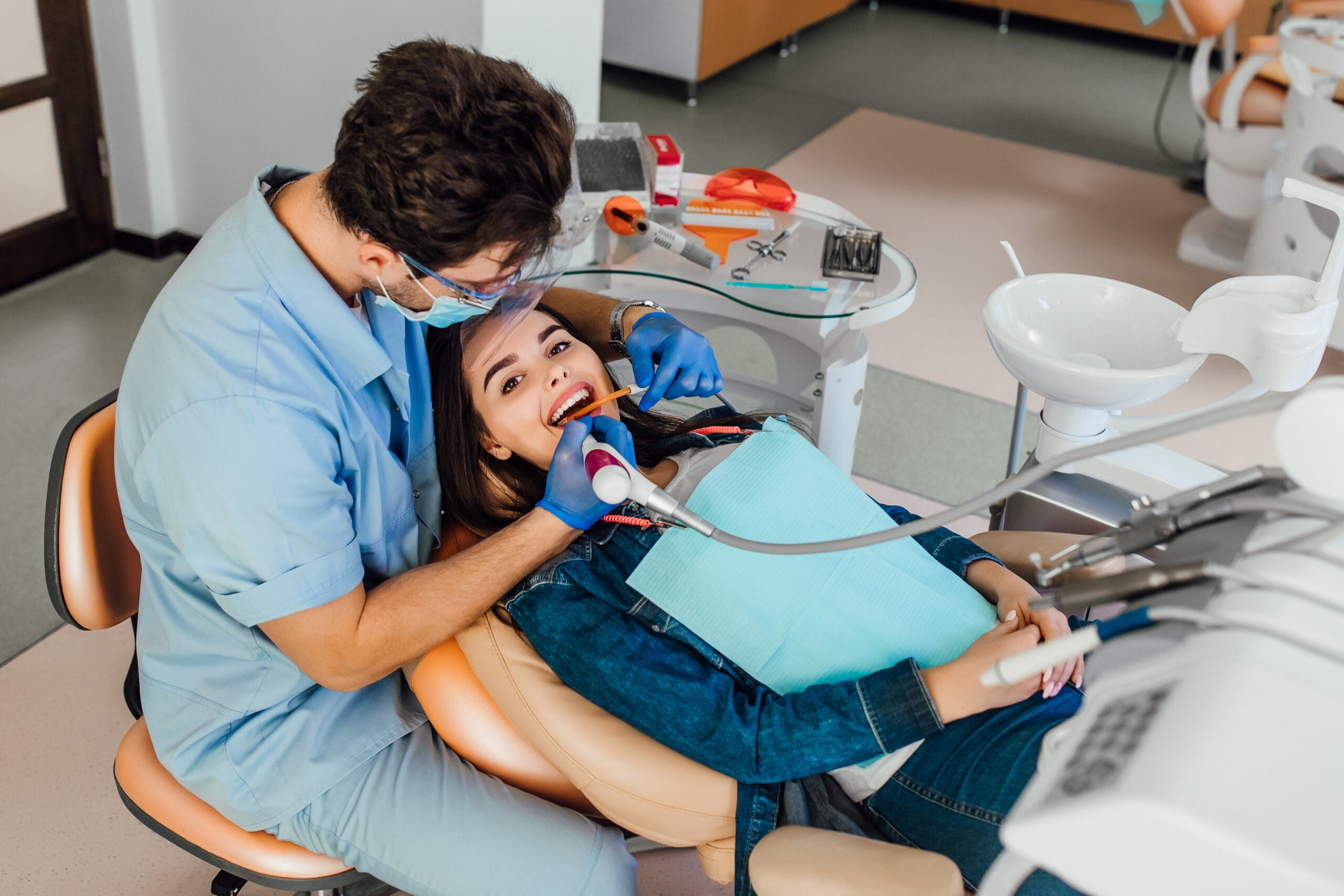
For most adults, twice-yearly check-ups and professional cleaning cover what home care cannot. Patients with a history of gum disease may need more frequent monitoring. Professional cleaning removes calcified tartar from below the gum line — calculus that no toothbrush or floss can dislodge once it has hardened — and is the only intervention that prevents the progression of early gum disease to its more destructive stages.
The long-term cost of skipping regular check-ups consistently exceeds the cost of attending them. A cavity caught early is a mbushje. A cavity caught late is a root canal or extraction. Gum disease caught early is a clean and a hygiene protocol. Gum disease caught late is periodontal surgery — or tooth loss.
THE COMPOUNDING EFFECT OF SMALL HABITS
None of these habits is dramatic on its own. The effect is cumulative. A person who brushes with correct technique, flosses before brushing, does not rinse after, drinks water consistently, limits sugar frequency, times their acid exposure, replaces their toothbrush regularly, and attends check-ups twice a year will have measurably better oral health at 50 than a person who brushes twice daily and does nothing else.
That gap — compounded over decades — is the difference between a healthy smile at 60 and losing your teeth.
A healthy smile is built on consistency, not complexity.
PROFESSIONAL CARE THAT SUPPORTS YOUR HEALTHY SMILE
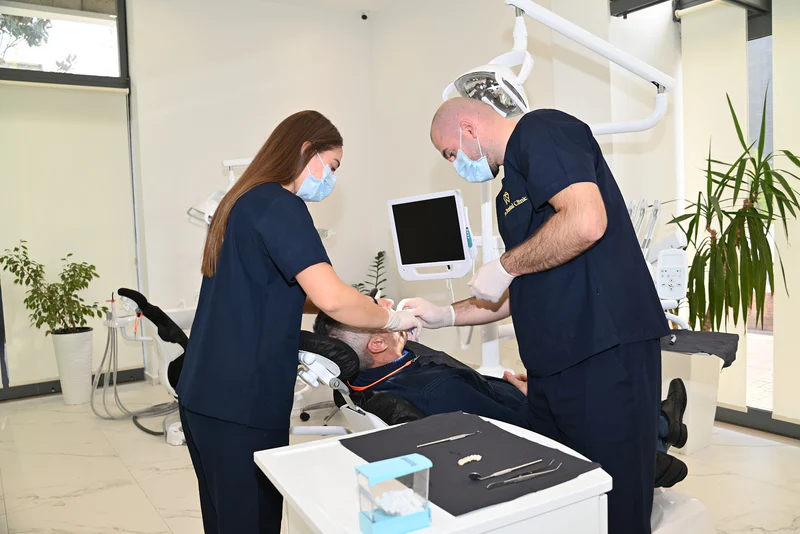
If you have not had a professional check-up recently, or if you are overdue for a clean and assessment, Evo Dental Clinic in Tirana offers full dental assessments and professional cleaning for international patients — at 60–70% below UK and Western European prices.
For patients who need more than a clean — restorative work, implante, ose aesthetic treatments — Tirana is a short flight from most European capitals and a fraction of the cost.