
Full arch dental implants are the most life-changing procedure in modern restorative dentistry. That is not marketing language — it is a description that patients who have been through the process use consistently, unprompted, when describing what changed after treatment. Not just the appearance of their smile. The way they eat. The foods they had stopped ordering in restaurants. The photographs they had avoided. The conversations they had stopped initiating because they were self-conscious about their teeth.
For patients living with significant tooth loss, advanced decay, or failing dentition, full arch dental implants represent something that no other treatment can deliver: a complete, fixed, permanent replacement for an entire arch of teeth — indistinguishable in function and appearance from natural teeth, rooted directly into the jawbone, and maintained exactly like natural teeth with a toothbrush and floss.
This post covers what the full arch dental implant experience actually looks like from first consultation through final result — the process, the timeline, the recovery, the realistic expectations, and what patients consistently say changed most after treatment.
What Full Arch Dental Implants Actually Are
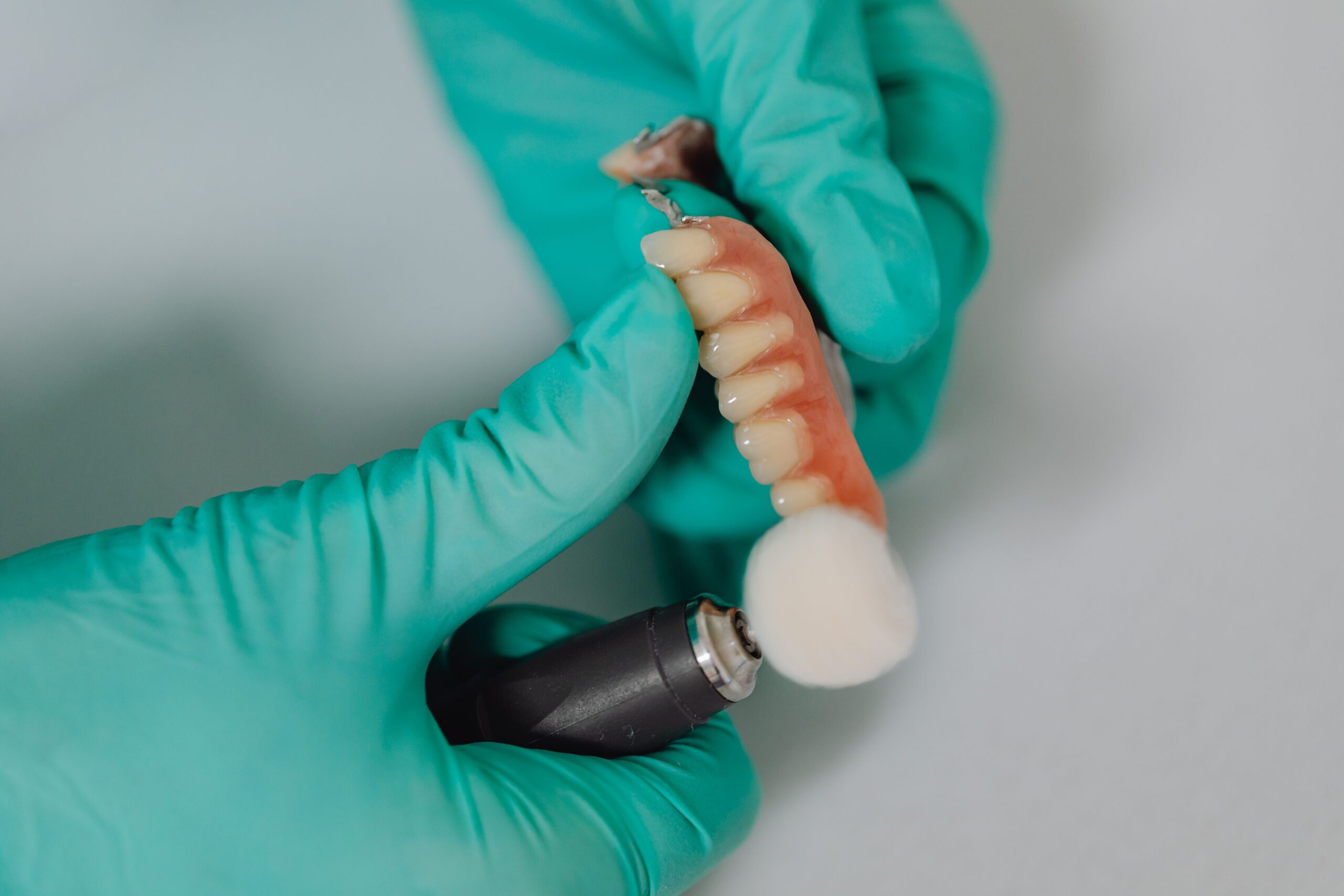
A full arch dental implant restoration — most commonly performed as All-on-4, All-on-6, ose All-on-8 — replaces every tooth in the upper arch, the lower arch, or both with a single fixed prosthetic bridge supported by four, six, or eight titanium implants placed directly into the jawbone.
The prosthesis is fixed — it does not come out. It does not move, slip, or require adhesive. It does not restrict your diet in the way dentures do. It does not sit on the gum tissue, which means no soreness at the gum line, no pressure points, and no accumulation of food underneath. It is cleaned exactly like natural teeth — brushing twice daily, with a water flosser or interdental brush for the underside of the bridge.
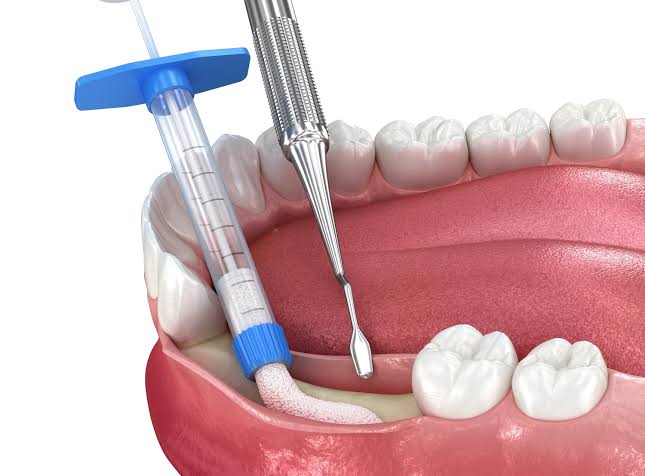
The implants themselves are titanium posts — a biocompatible material that integrates directly with the jawbone in a process called osseointegration. Once integrated, the implants function as artificial tooth roots, stimulating the bone in the way natural roots do and preventing the bone resorption that follows tooth loss. This bone preservation effect is one of the most clinically significant advantages full arch dental implants have over dentures, which sit on the surface and provide no bone stimulation whatsoever.
Who Is a Candidate for Full Arch Dental Implants
Most adults with significant tooth loss or failing dentition are candidates for full arch dental implants. The key requirements are good general health, adequate bone volume at the implant sites, and the absence of active uncontrolled conditions that would impair healing — uncontrolled diabetes and active smoking are the most common factors that require management before treatment proceeds.
Bone volume is the requirement that most commonly concerns patients who have already experienced significant tooth loss, because bone resorption begins immediately after a tooth is removed and continues over time. The design of the All-on-4 system specifically addresses this: by angling the posterior implants, the procedure accesses denser bone deeper in the jaw, which frequently allows placement without augmentim kockor even in patients with moderate bone loss. Patients with more advanced bone loss may still be candidates — the assessment of whether grafting is required is one of the primary purposes of the initial CBCT imaging that begins the planning process.
Patients who have been told they are not candidates for implants at home are frequently found to be candidates when assessed with the full diagnostic imaging and specialist evaluation that a dedicated implant clinic provides. This is worth pursuing before accepting that conclusion.
The First Visit: Consultation and Digital Planning
The full arch dental implant journey begins with a comprehensive clinical assessment. At Evo Dental Clinic in Tirana, this starts before the patient travels — with a remote consultation based on photographs and existing X-rays, allowing a preliminary assessment of candidacy and a cost estimate before flights are booked.
For patients who travel to Tirana for the consultation visit, the assessment involves CBCT three-dimensional imaging of the jaw to map bone density, volume, and anatomical structures in detail. This scan is the foundation of the surgical plan — it determines the number and positioning of the implants, whether any bone grafting is required, whether any remaining teeth need to be extracted before implant placement, and the timeline for the entire treatment.
Digital smile design software is used to plan the aesthetic component of the restoration — the shape, proportion, and shade of the final prosthesis — before any surgery takes place. This allows patients to see and approve the intended result before any irreversible steps have been taken, which is a significant clinical and psychological advantage over the traditional approach of creating the prosthesis after surgery.
The treatment plan produced from this assessment is written, specific, and includes documented materials, procedural scope, and total cost. For patients traveling from abroad for rehabilitim i plotë i gojës, this document is both a clinical roadmap and the basis for understanding exactly what the treatment involves.
The Surgery: What Actually Happens on Procedure Day
For most patients, the anticipation of the surgery is considerably worse than the procedure itself. This is one of the most consistent reports from patients who have been through it.
Full arch implant surgery is performed under local anaesthesia, with sedation available for patients who prefer it. The procedure typically involves extracting any remaining teeth that cannot be retained, placing the implant posts into the prepared bone at the planned positions, and fitting a temporary fixed prosthesis — the immediate-load bridge — on the same day.
That last point bears emphasis: most patients receiving full arch dental implants leave the clinic on the day of surgery with a full set of teeth already in place. The temporary prosthesis placed immediately after surgery is fixed, aesthetic, and functional for soft foods. Patients do not go home toothless and wait months for a result. The psychological impact of this immediate transformation is consistently one of the most significant aspects of the experience patients describe.
Post-surgical discomfort in the first 24 to 48 hours is real but manageable. Swelling typically peaks on days two to three and resolves over the following week. Most patients are managing discomfort with over-the-counter medication by days four or five. The first week’s dietary restriction to soft foods is the most consistently cited practical limitation of the immediate post-surgery period. By week two, most patients have returned to normal daily activities.
The Healing Phase: Three to Six Months
The period between implant placement and the delivery of the final permanent prosthesis is the longest phase of the full arch dental implant journey, but it is also the quietest. Osseointegration — the biological fusion of the titanium implants with the jawbone — takes three to six months and happens entirely without patient intervention.
During this period, patients wear the temporary prosthesis fitted on surgery day. It looks natural, functions for normal eating of most foods (excluding very hard or very crunchy items), and allows patients to return to work, social life, and normal routines within days of surgery. Most patients report that the three-to-six month healing period feels entirely ordinary — they are eating normally, smiling, speaking without restriction, and the only thing that marks the period as part of the treatment journey is the awareness that the final prosthesis hasn’t been delivered yet.
Remote follow-up during this period is an important part of the patient experience for international patients. Evo Dental Clinic maintains communication with patients throughout the healing phase — reviewing progress via photographs and assessments shared remotely, and coordinating with local dentists if an in-person check is needed before the return visit for the final prosthesis.
The Final Visit: Permanent Prosthesis Delivery
The second visit to Albania — typically three to six months after surgery — is the appointment at which the definitive prosthesis is delivered. This is the final, precision-fabricated restoration: a full-arch zirconia or hybrid ceramic bridge, custom-shaded to the patient’s natural tooth colour and designed with the aesthetic proportions planned at the start of treatment, fitted and permanently attached to the osseointegrated implants.
The change from temporary to permanent prosthesis is clinically significant. The temporary bridge is functional and aesthetic, but designed primarily for protection and function during healing. The permanent prosthesis is fabricated with greater precision, a more refined fit, higher aesthetic quality, and the full structural integrity required for long-term bite function. Patients consistently describe the delivery of the permanent prosthesis as one of the most emotionally resonant moments of the entire journey.
The appointment for final delivery includes bite adjustment, aesthetic review, patient approval, and documentation for the warranty. Patients leave with detailed hygiene instructions and a maintenance schedule — annual check-ups and professional cleaning of the prosthesis are the primary ongoing requirements for a full arch implant restoration that performs well over decades.
What Changes After Full Arch Dental Implants
The clinical outcomes of full arch dental implants are well documented. Long-term survival rates for implants placed with Nobel Biocare and Straumann systems — the implant brands used at Evo Dental Clinic — exceed 95% at fifteen years in peer-reviewed clinical studies. The bone-preserving function of implants prevents the progressive facial changes associated with long-term denture use. Chewing efficiency with implant-supported fixed prosthetics is comparable to natural teeth.
What the data cannot fully capture is what patients describe in their own terms after treatment: eating a meal without planning it around what their teeth can manage. Smiling in a photograph without thinking about it first. Speaking in a work meeting without self-consciousness. Foods — hard crusts, raw carrots, apples, steak — that had been excluded from the diet for years, reintroduced without a second thought.
For patients who have spent years managing significant dental problems, the change is genuinely difficult to overstate. Full arch dental implants do not improve a smile. They restore the life that dental problems had been narrowing down.
Full Arch Dental Implants in Albania: The Cost Context
In the UK, full arch dental implants — a single arch, All-on-4 procedure — costs between £12,000 and £20,000 at a private practice. In Germany and Italy, comparable figures apply. For both arches, the total investment in Western Europe frequently exceeds €30,000 to €40,000.
At Evo Dental Clinic in Tirana, full arch dental implant treatment using certified Nobel Biocare or Straumann implant systems and a high-quality zirconia prosthesis is available at a fraction of that cost — typically 50% to 70% below what the same treatment costs in the UK or Germany. The saving on a single arch often exceeds the total cost of the flights and accommodation combined.
Patients who have delayed this treatment for years because it was financially out of reach in their home country are finding that it is accessible in Albania — using the same implant systems and prosthetic materials, delivered by internationally trained specialists, with documented warranties and ongoing patient support.
If you are considering full arch dental implants and want to understand what your specific case would involve, contact us for a free consultation. We will review your records remotely, give you a clear picture of candidacy and treatment scope, and help you plan both visits around your schedule.
You can also explore our dedicated All-on-4, All-on-6, dhe All-on-8 pages for procedure-specific information, and our galeria para dhe pas to see the results we deliver for international patients who have made this decision.
Evo Dental Clinic — full arch dental implants, All-on-X restorations, and complete smile rehabilitation in Tirana, Albania. Serving international patients from the UK, Italy, Germany, and across Europe.