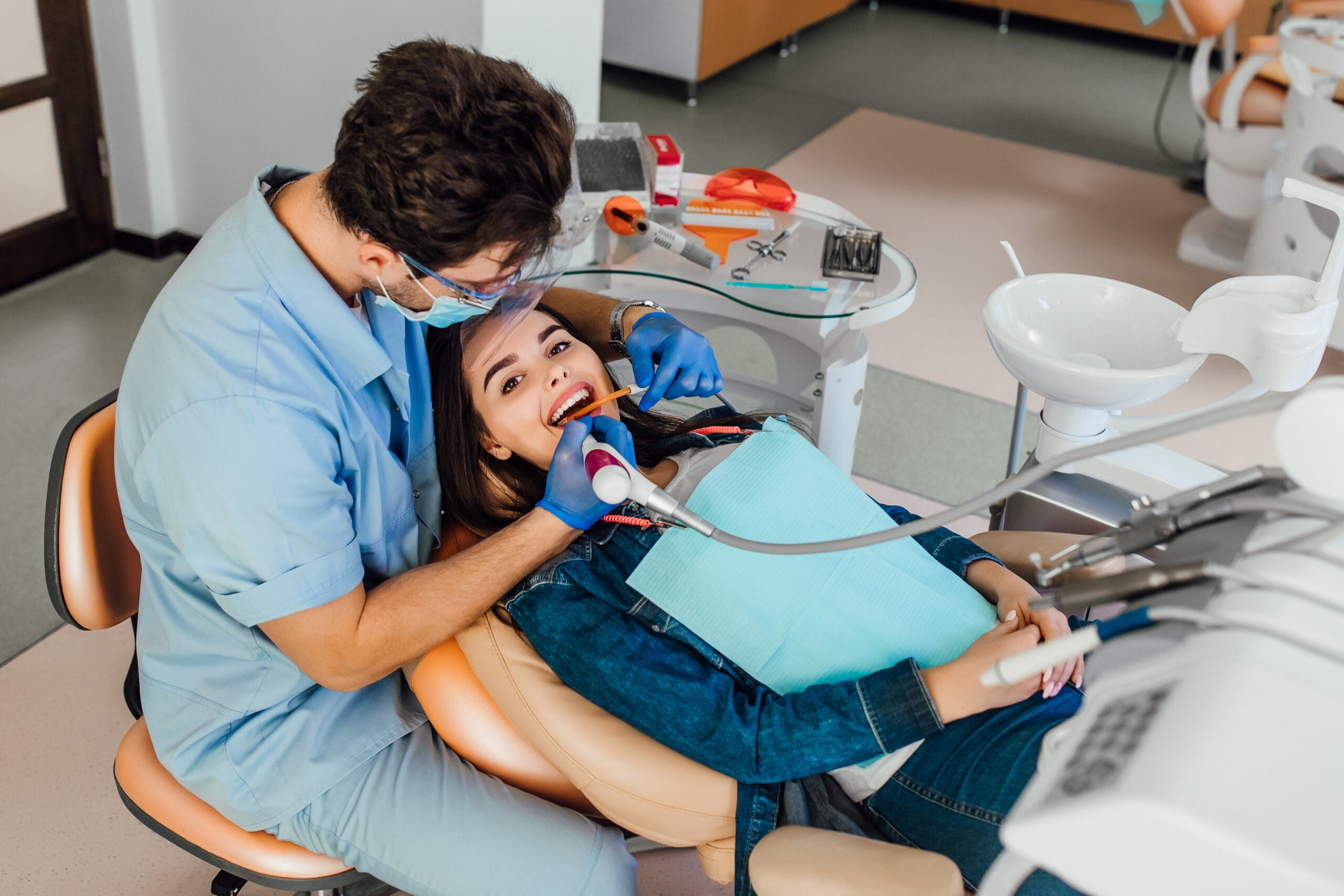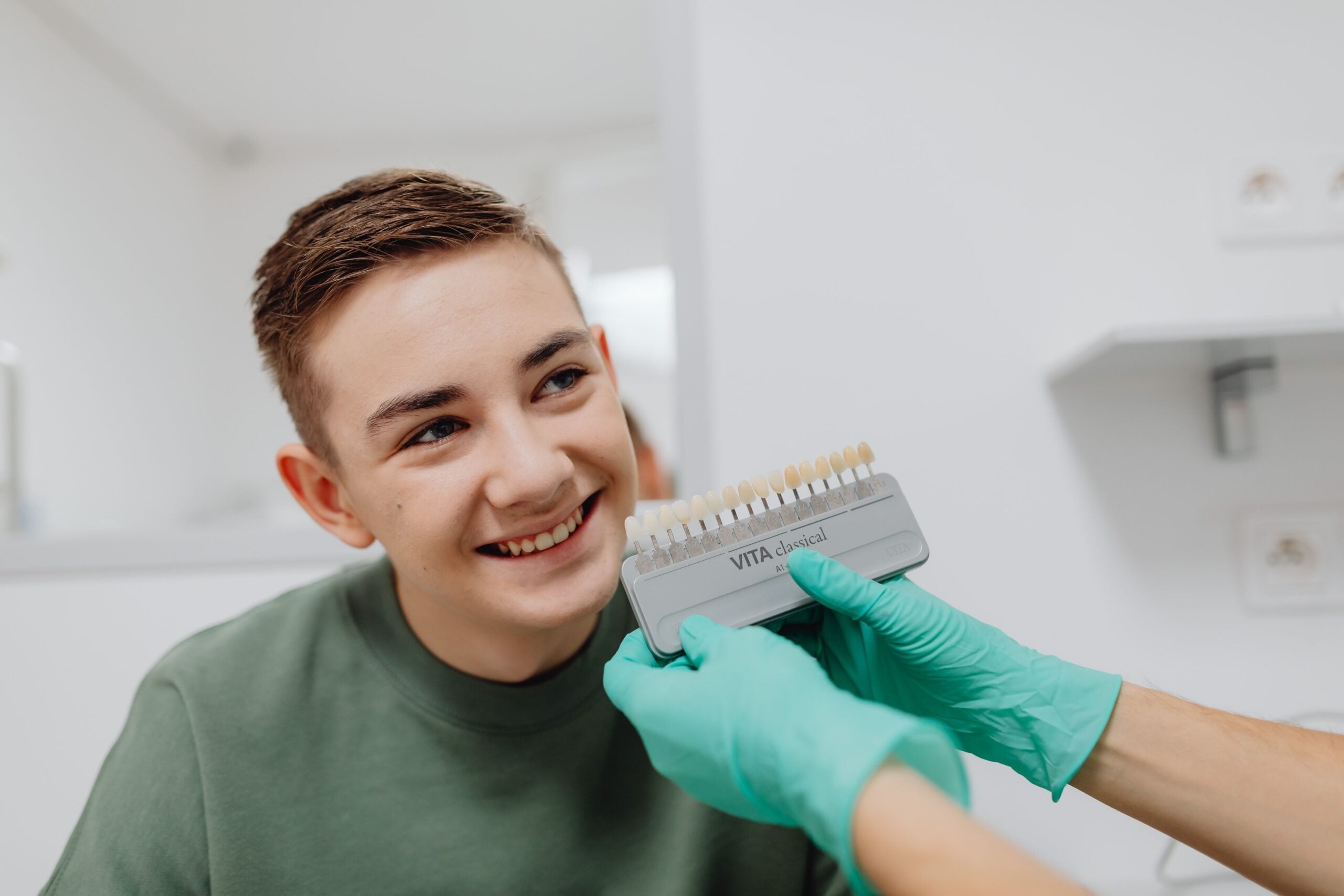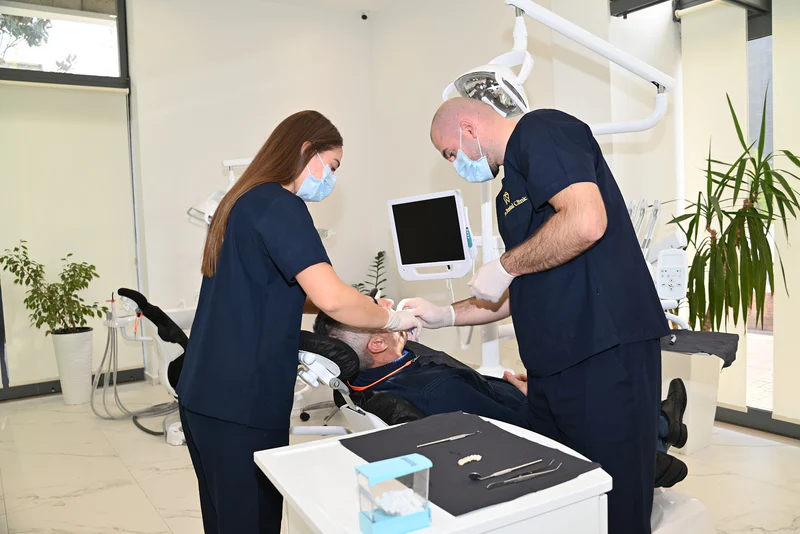

Cure dentali in Albania is a decision thousands of patients from the UK, Italy, Germany, and beyond are making every year — and the question they ask most often, before they ask about price or procedures, is a simple one: is it actually safe?
It is a fair question, and it deserves a direct answer rather than the kind of reassurance that glosses over legitimate concerns. The honest answer is yes — dental treatment in Albania is safe when you choose the right clinic, understand what to look for, and go in with realistic expectations about how the experience will differ from receiving care at home. The honest answer also includes the caveat that not every clinic in every country operates to the same standard, and Albania is no exception to that reality.
This post addresses every dimension of that question: the clinical safety of the procedures themselves, the regulatory environment, the materials used, what to look for in a clinic, and the practical safety of Albania as a travel destination. By the end of it you should have a clear, grounded picture of what dental treatment in Albania involves — not a brochure, and not an anxious forum thread.
The Clinical Safety Question: What the Data Says
The concern most patients carry into this research is whether the clinical quality of dental work performed in Albania matches what they would receive at home. It is a reasonable concern, and the answer requires distinguishing between two separate things: the standard of care available in Albania, and the standard of care you will actually receive at the clinic you choose.
At the top end of the Albanian dental market — the clinics that have invested in equipment, trained specialists, and infrastructure specifically to serve international patients — the clinical standard is fully comparable to what you would find in a credentialed Western European practice. The same CBCT imaging systems used in London and Munich are used in Tirana. The same implant brands — Nobel Biocare, Straumann, Dentsply Sirona — are used in the same surgical procedures. The same sterilisation protocols apply.
This isn’t marketing language. It’s verifiable. Patients who have received implants, veneers, full-arch restorations, and complex oral surgery in Albania and then had the work examined by dentists at home consistently report that the clinical outcome is indistinguishable from comparable work performed in their home country. The difference is in the invoice, not in the result.
How Albanian Clinics Are Regulated
Albania is not an EU member state, which means it is not subject to EU healthcare regulation directly. This is a fact worth understanding clearly, because it is often cited — by people who haven’t looked into it carefully — as evidence that Albanian dental care is somehow unregulated or operating outside any framework.
The reality is more nuanced. Albania is an EU candidate country, actively aligning its regulatory frameworks with European standards as part of its accession process. The healthcare sector has been a specific focus of this alignment. Albanian dental clinics are regulated by national health authorities, and the leading clinics serving international patients have independently pursued ISO 9001 certification and compliance with European sterilisation and infection control standards, because their patient base requires it and their reputation depends on it.
The practical implication for patients is this: the regulatory backstop in Albania is not identical to what exists in Germany or the UK, which is a reason to do more due diligence before choosing a clinic — not a reason to conclude that safe dental care is unavailable there. The clinic selection process matters more in Albania than it does in a heavily regulated domestic market. We will return to exactly what that process should look like.
The Materials Question: What Goes Into Your Mouth
For patients considering implants, crowns, bridges, or veneers, the materials used are as important as the clinician performing the procedure. A titanium implant placed with perfect technique will still fail prematurely if the implant itself is a low-grade component from an unverified supplier.
Established Albanian clinics source their materials from the same international suppliers that serve Western European practices. Nobel Biocare, Straumann, and Zimmer Biomet are the market-leading implant systems used globally, and they are available and used routinely in Tirana. Zirconia crowns are milled from the same ceramic blocks used in dental laboratories across Europe. The orthodontic components used for Invisalign treatment are identical regardless of the country in which they are fitted, because Invisalign is a proprietary system with its own standardised supply chain.
What varies — and what patients should verify before committing — is which specific materials a particular clinic uses and whether they can document those materials clearly. A reputable clinic will provide this information without hesitation. A treatment plan that lists “implant with crown” without specifying the brand and system is a legitimate reason to ask for more detail before proceeding.
At Evo Dental Clinic, we use internationally certified materials across all procedures and provide full documentation of the components used in every treatment. You can review the full range of our dental implant options e soluzioni protesiche on our services pages.
What to Look for When Choosing a Clinic
This is where the practical safety of dental treatment in Albania is most directly in the patient’s hands. The difference between a safe, successful experience and a frustrating one almost always traces back to clinic selection rather than to anything inherent about Albania as a destination.
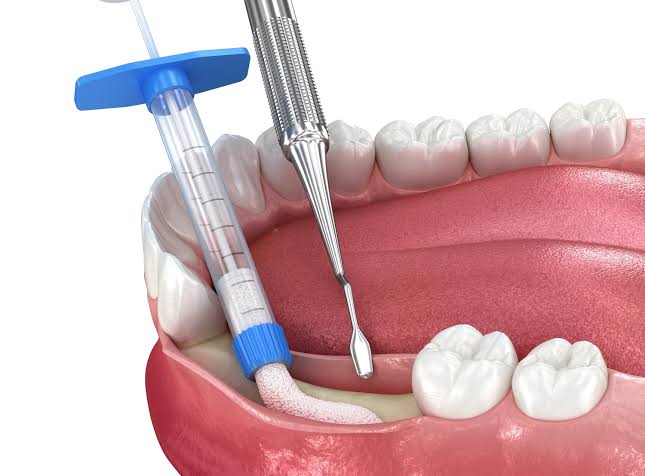
Verify the specialists’ credentials. The dentist performing your procedure should be able to tell you where they qualified, what postgraduate training they have completed, and how many procedures of your specific type they have performed. For complex work like All-on-4 implants o innesto osseo, specialist training in implantology or oral surgery is the relevant credential — not just a general dentistry qualification.
Ask for a written treatment plan before you travel. A serious clinic will provide a detailed treatment plan — specifying the procedures, the materials, the number of appointments required, and the total cost — before you book flights. This plan serves as both a clinical document and a contractual reference. If a clinic can only give you a verbal estimate and asks you to arrive before confirming the scope of work, look elsewhere.
Check for independently verifiable reviews. Patient reviews on Google, Trustpilot, and specialist platforms like Dental Departures are harder to fabricate than testimonials hosted on a clinic’s own website. Look for reviews that describe specific procedures and post-treatment experiences, not just general positive sentiment. Volume matters as well — a clinic with 200 genuine reviews tells a different story than one with twelve.
Confirm what the warranty covers. Quality clinics provide warranties on their work — typically five years or more on implants and permanent restorations. Understand what is covered, what voids the warranty, and what the process is for claiming it if you experience a complication after returning home.
Ask about aftercare and remote follow-up. Dental treatment in Albania doesn’t end when you board your return flight. Implant osseointegration takes months, and complications — though uncommon in well-performed procedures — can emerge after you are home. Established clinics have protocols for remote follow-up, can review photographs and X-rays sent by email, and can coordinate with a local dentist in your home country if an in-person assessment is needed.
Is Albania Safe as a Travel Destination?
Separate from the clinical question is the straightforward question of whether Albania is a safe country to visit. The answer is yes, with the normal caveats that apply to any unfamiliar destination.
Albania’s main cities — Tirana in particular — are modern, well-connected, and broadly safe for international visitors. The UK Foreign, Commonwealth and Development Office rates Albania as a destination where visitors should exercise normal precautions, the same guidance it gives for most of Western Europe. The US State Department similarly rates Albania at Level 1 — Exercise Normal Precautions — its lowest risk designation.
Tirana has undergone significant urban development over the past decade. The city has a functioning international airport, a wide range of accommodation options at competitive prices, good restaurant infrastructure, and a population that is genuinely warm toward foreign visitors. English is widely spoken in the medical and hospitality sectors. Italian is a strong second language for many Albanians given the historical cultural and economic relationship between the two countries.
The practical travel experience for dental patients is typically straightforward. Flights from London take around two hours. Flights from Rome or Milan are under ninety minutes. The airport is a short drive from the city centre and from most of Tirana’s established dental clinics.
One practical note for European patients: the European Health Insurance Card (EHIC) is not valid in Albania, as Albania is outside the EU. It is worth arranging travel health insurance that covers medical treatment before you travel, as a standard precaution.
The Questions Worth Asking Before You Book
If you have researched dental treatment in Albania and are close to making a decision, these are the questions that separate a well-prepared patient from one who may have an avoidable complication:
What implant system will be used, and can you provide the manufacturer’s documentation? How many procedures of this type has the treating clinician performed? What does the warranty cover, and how do I access it from my home country? What happens if I need follow-up care after I return — who coordinates that? Can I see before and after photographs of patients with a similar starting point to mine? What is the payment structure, and is a deposit required before I travel?
Clinics that answer all of these questions clearly, in writing, before you commit, are the clinics that are operating at the standard where dental treatment in Albania is genuinely safe and genuinely worth the trip.
What Evo Dental Clinic Offers International Patients
Evo Dental Clinic in Tirana is built specifically for patients making exactly this decision. We treat international patients from the UK, Germany, Italy, Switzerland, and across Europe for the full range of procedures that dental tourism encompasses — impianti dentali, All-on-X full arch restorations, porcelain and composite veneers, Hollywood Smile design, Invisalign, chirurgia orale, e riabilitazione completa della bocca.
Every patient receives a written treatment plan with documented materials and pricing before they travel. We use internationally certified implant systems and prosthetic materials. Our specialists have trained at European institutions and bring that standard of clinical practice to every procedure we perform. We provide remote follow-up after treatment and maintain communication with patients throughout the recovery period regardless of where they are in the world.
If you are considering dental treatment in Albania and want to understand what your specific case would involve, contact us for a free consultation. We will review your records, answer every question on your list, and give you an honest picture of what the treatment looks like, what it costs, and what to expect. You can also browse our galleria prima e dopo and our dedicated dental tourism page for more on what the experience involves from first contact to final result.
Dental treatment in Albania is safe. The evidence is in the outcomes of the tens of thousands of patients who have made this decision and returned home with results they couldn’t have afforded at home. The key is knowing what to look for — and knowing what to ask before you go.
Evo Dental Clinic — internationally trained specialists, premium materials, and transparent care for patients traveling to Tirana from across Europe and beyond.