



Most patients who end up needing full mouth rehabilitation did not arrive at that point overnight. It typically starts with one or two dental issues that go untreated, which gradually affect neighbouring teeth, bite function, and jaw alignment — until the problems are no longer isolated.
Full mouth rehabilitation is not a single procedure. It is a coordinated, phased treatment plan that addresses multiple dental issues at once, restoring both function and aesthetics across the entire mouth. Here are the five most common mouth rehabilitation signs that a patient may need this level of care.
1. You Have Multiple Missing Teeth
Losing one tooth creates a gap. Losing several creates a cascade of problems: neighbouring teeth begin to drift, the bite shifts, bone loss accelerates, and chewing becomes increasingly difficult. If you are missing teeth in multiple areas of your mouth, a comprehensive rehabilitation plan — often involving implants, bridges, or All-on-X — is likely the most effective solution.
2. Your Teeth Are Severely Worn or Damaged
Chronic grinding (bruxism), acidic diet, long-term acid reflux, or simply years of wear can leave teeth significantly reduced in height and structural integrity. When multiple teeth are affected, individual crowns alone may not be sufficient — the entire bite relationship needs to be corrected and rebuilt.
3. You Avoid Certain Foods or Social Situations Because of Your Teeth
This is one of the clearest indicators that dental problems have moved beyond cosmetic inconvenience. If you consistently avoid hard foods, crunchy vegetables, or social events where you might smile or speak in public, your oral health is affecting your quality of life in a meaningful way — and comprehensive treatment can change that.
4. You Have Chronic Jaw Pain or Headaches
An unbalanced bite — caused by missing teeth, worn-down enamel, or old failing restorations — puts uneven pressure on the jaw joint (TMJ). This often manifests as persistent jaw pain, clicking, morning headaches, or facial tension. Rehabilitation that re-establishes proper bite alignment frequently resolves these symptoms.
5. You Have a Mix of Old Failing Restorations
Crowns placed decades ago, bridges that no longer fit properly, old fillings that have cracked or leaking, partial dentures that cause discomfort — when multiple restorations are failing simultaneously, replacing them one by one is inefficient and often more expensive long term. A full dental restoration plan addresses all of them in a coordinated sequence.
What Does Full Mouth Rehabilitation Process Look Like?
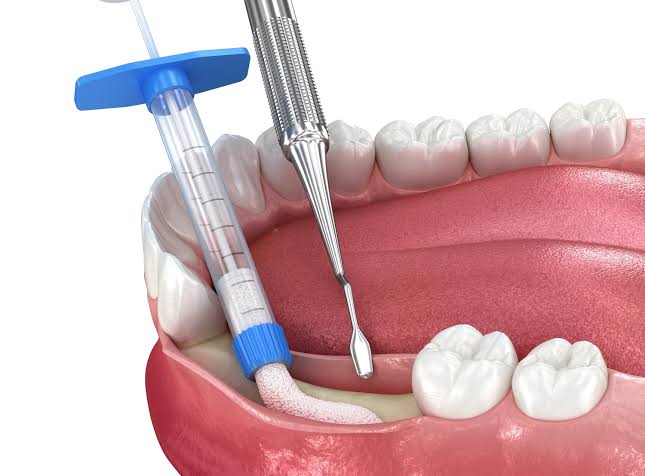
Presso Evo Dental Clinic, full mouth rehabilitation begins with a comprehensive examination including 3D scans, bite analysis, and a detailed case review. From that assessment, a phased treatment plan is created that may combine extractions, implants, bone grafting if needed, crowns, bridges, or full-arch solutions like All-on-4 or All-on-6.
The sequence matters: foundational work (such as implant placement) is always done before cosmetic restorations, ensuring the aesthetic result is built on a clinically sound base.
International patients typically complete the process across two planned visits to Tirana, with Evo Dental coordinating all logistics including transfers and accommodation as part of our all-inclusive packages.
Think you may need full mouth rehabilitation? Book your free assessment at evodentalclinic.com