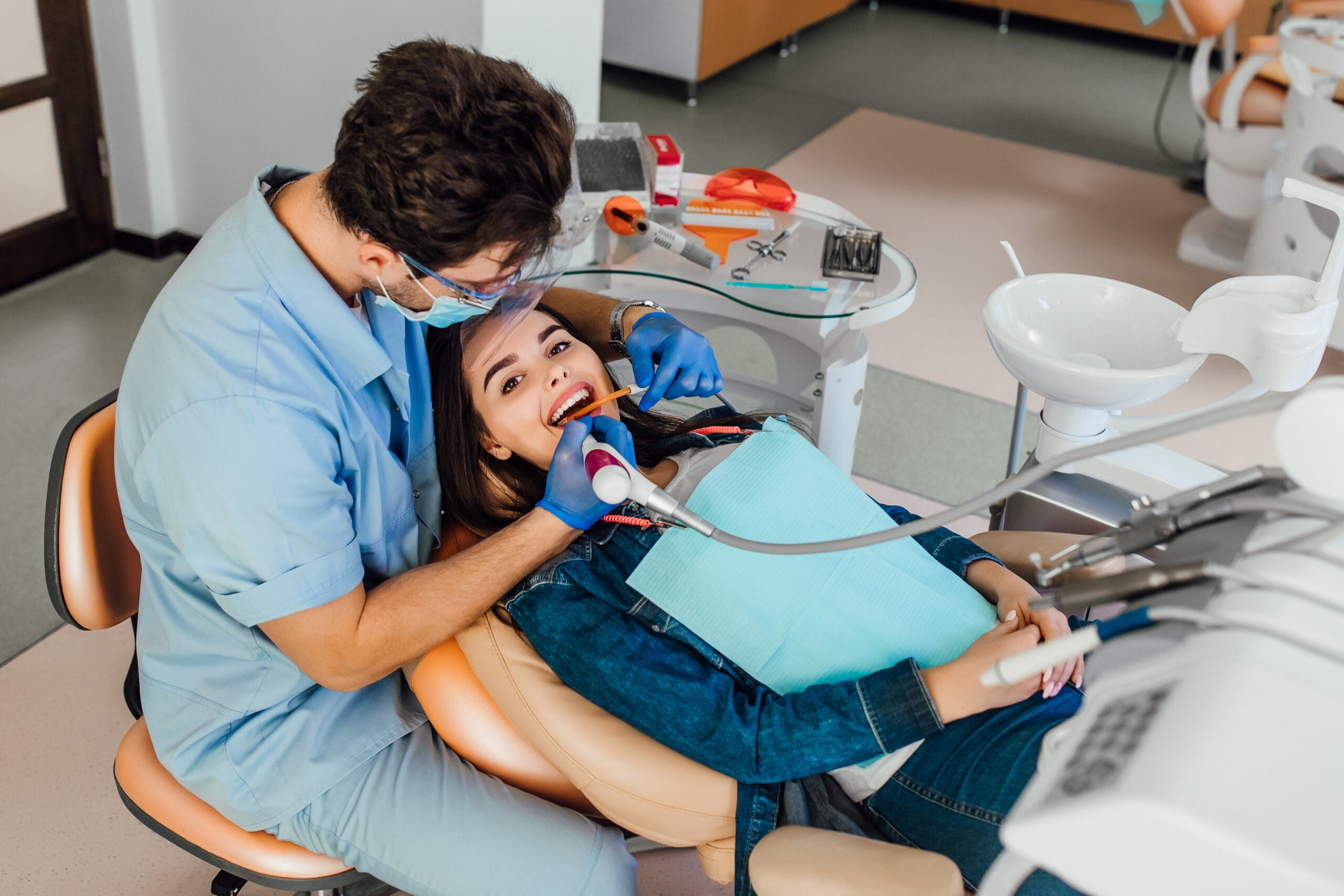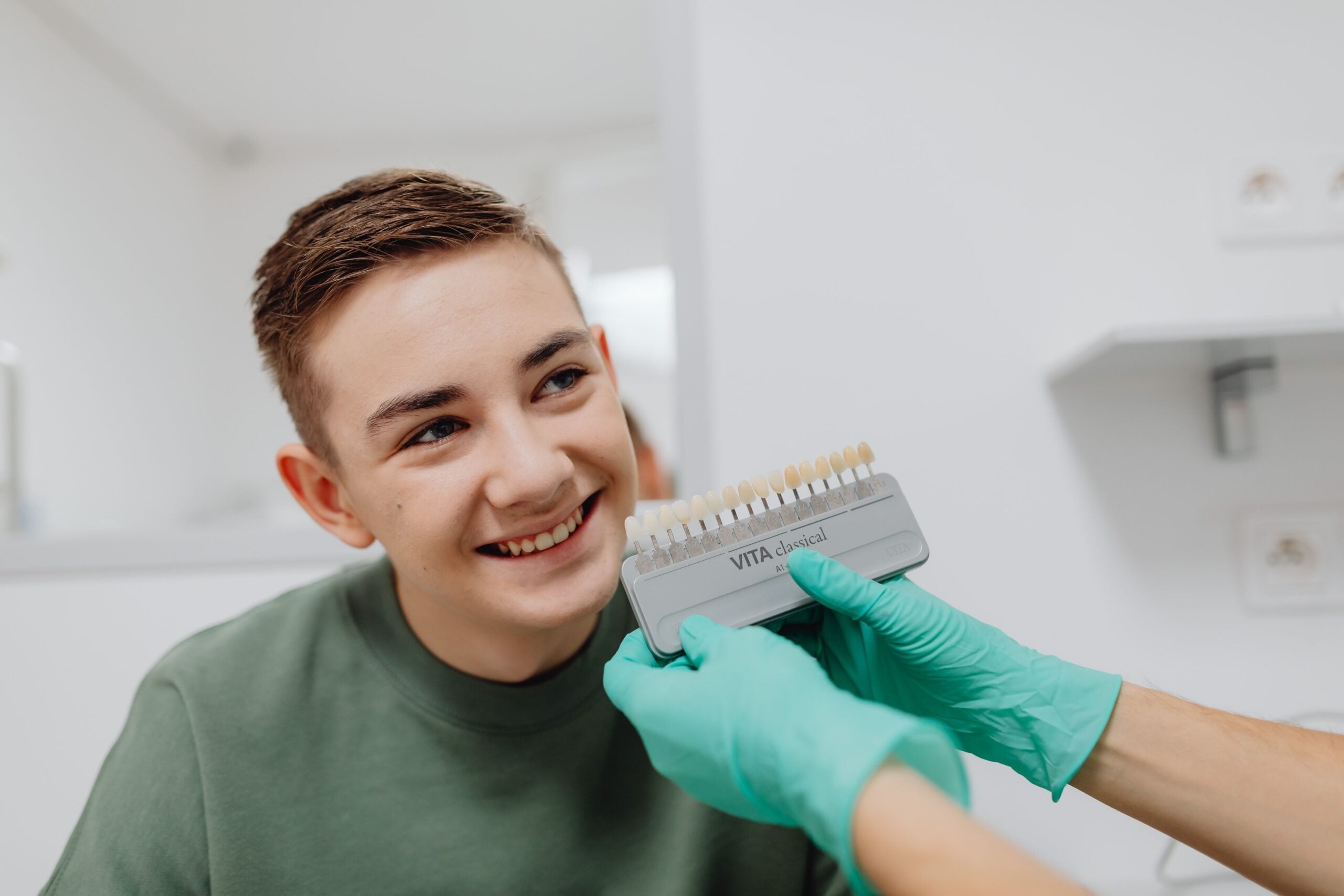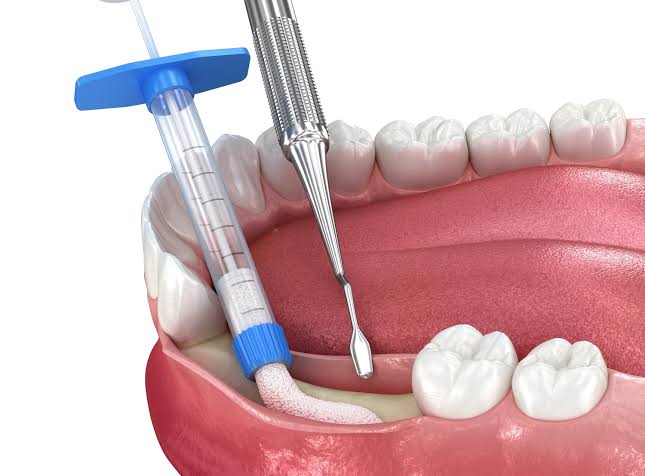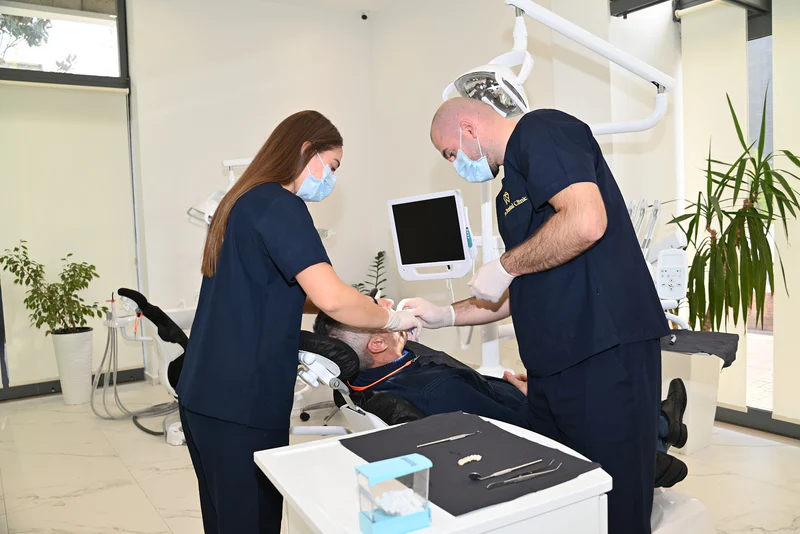



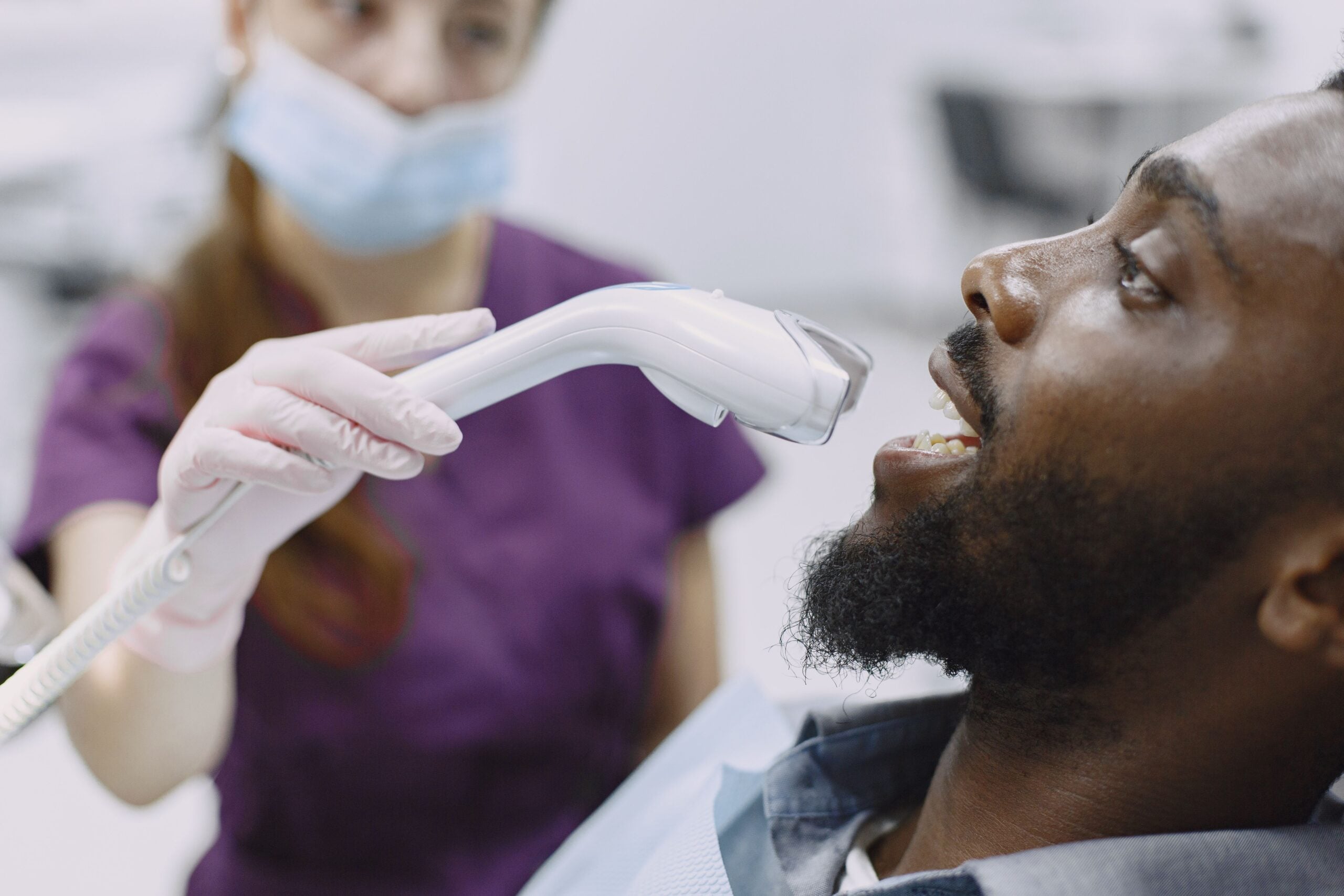
The short answer is yes — teeth whitening sensitivity is a common and expected side effect of most professional whitening treatments. Up to 78% of patients who undergo professional bleaching report some degree of sensitivity during or after the procedure. For most people, this is mild, lasts one to three days, and resolves completely without any long-term effects on the teeth.
What matters most is understanding why it happens, which patients are more likely to experience it, how to reduce the likelihood before treatment, and how to manage it if it occurs. With the right preparation and the right aftercare, teeth whitening sensitivity is a manageable, temporary inconvenience — not a reason to avoid a treatment that delivers results lasting many months to years.
Why Whitening Causes Sensitivity: The Mechanism
Every professional whitening treatment uses peroxide — either hydrogen peroxide or carbamide peroxide — as the active whitening agent. These agents penetrate the outer enamel layer of the tooth and break down the molecular bonds holding stain compounds to the organic structures inside the tooth. The bleaching of the internal discolouration is what produces the colour change.
The same process that reaches the stained material also has a secondary effect: the peroxide causes temporary demineralisation of the enamel, making it slightly more porous. This increased porosity exposes the dentinal tubules — microscopic channels that run from the outer tooth surface through the dentine to the pulp, where the tooth’s nerve tissue is located. When these tubules are exposed and transmitting stimuli more readily than usual, the nerve becomes temporarily more reactive to temperature, touch, and pressure. The result is the sharp, brief sensitivity that patients experience when drinking cold water or breathing in cold air after whitening.
The important point is that this mechanism is temporary. The peroxide is metabolised, the enamel remineralises, the dentinal tubules return to their normal state, and the sensitivity resolves — typically within one to three days of the final whitening session. The scientific evidence does not support the claim that professional whitening causes permanent damage to enamel when used correctly. The demineralisation is reversible, and the tooth’s own remineralisation processes, supported by saliva and fluoride exposure, restore the enamel back to its pre-treatment state.
Who Is More Likely to Experience Whitening Sensitivity
While teeth whitening sensitivity is common across all patient groups, some patients are more prone to experiencing it more intensely or for longer.
Patients who already have sensitive teeth before whitening — whether due to gum recession that exposes root surfaces, worn enamel from acid erosion or bruxism, existing cracks or crazes in the enamel, or simply naturally thin enamel — will generally experience more significant whitening sensitivity than patients with thick, intact enamel and no pre-existing sensitivity.
Patients with active decay, untreated gum disease, or cracked teeth should have these conditions treated before any whitening treatment begins. Applying peroxide to a tooth with an untreated crack, exposed decay, or inflamed gum tissue can produce significantly more severe sensitivity than the typical post-whitening experience, and in some cases can worsen the underlying condition. A pre-whitening assessment is not a formality — it is the clinical step that identifies which patients need to address other conditions first.
The concentration of the whitening agent is also a variable. Higher-concentration professional in-chair whitening using laser or LED light activation produces faster, more dramatic results and is associated with somewhat higher sensitivity rates than lower-concentration take-home systems used over a longer period. The same result can sometimes be achieved through a longer, gentler approach that produces less sensitivity — a consideration worth discussing with the treating dentist based on the patient’s starting sensitivity level.
How to Reduce Sensitivity Before Whitening
The most effective pre-whitening strategy for reducing sensitivity risk is the use of desensitising toothpaste in the two weeks before treatment. Toothpastes containing potassium nitrate work by penetrating the dentinal tubules and blocking the nerve signals that produce sensitivity. Used consistently for two weeks prior to whitening, they significantly reduce sensitivity during and after the procedure compared to patients who begin whitening without this preparation.
Fluoride toothpaste used in the same pre-treatment period supports enamel mineralisation and reduces the degree to which the peroxide can demineralise the surface. Many dentists recommend switching to a fluoride toothpaste and desensitising combination for the two-week preparation window before a professional whitening session.
Patients who know from past experience — or from an existing sensitivity issue — that they are likely to be significantly affected should mention this during the pre-whitening consultation. The treating dentist can adjust the concentration of the whitening agent, the application time, or the overall approach accordingly. Whitening can be delivered more gradually, with shorter application sessions, to achieve the same result with a lower peak of peroxide exposure at any single point.
At Evo Dental Clinic, our teeth whitening in Albania begins with a brief assessment of existing sensitivity and enamel condition before the procedure starts. International patients who have a history of sensitivity are advised to begin the desensitising toothpaste protocol two weeks before their Tirana visit.
Managing Whitening Sensitivity After Treatment
For patients who experience sensitivity after whitening, the practical management steps are straightforward and effective.
Desensitising toothpaste used in the days following treatment provides the most direct relief. Potassium nitrate — the active ingredient in products like Sensodyne — works on the nerve signals within the dentinal tubules to reduce the sensitivity response. Applying a small amount of the paste directly to sensitive areas after brushing and leaving it in place rather than rinsing is more effective than simply brushing and rinsing normally.
Temperature avoidance for 24 to 48 hours after whitening is one of the simplest ways to reduce the discomfort of the sensitivity period. Very cold drinks, ice cream, cold air through open-mouth breathing, and very hot foods and beverages all trigger the sensitised nerve response that peroxide exposure has temporarily heightened. Avoiding these triggers while the enamel remineralises removes most of the circumstances in which the sensitivity would be felt.
Soft-bristled toothbrush use after whitening is also recommended. The mechanical pressure of brushing on sensitised enamel can add to discomfort, and a soft-bristled brush minimises that pressure while still keeping the teeth clean.
For patients who experience more severe or prolonged sensitivity — sensitivity that persists beyond one week or that is severe enough to be significantly disruptive — a dentist should be consulted promptly. Prolonged or very intense sensitivity after whitening can indicate an underlying issue that the whitening has brought to attention rather than caused: a crack, decay, or inflamed pulp that exists independently of the whitening treatment and requires its own assessment and management.
Whitening and Sensitivity: The Important Limits
Two specific situations require particular clarity on the relationship between whitening and sensitivity.
Whitening does not work on restorations. Porcelain veneers, ceramic crowns, composite fillings, and any other dental restoration material do not respond to peroxide bleaching agents. If a patient has existing restorations on visible front teeth and whitens their natural teeth, the natural teeth will lighten while the restorations remain their original shade — creating a mismatch that is often more noticeable than the original staining.
This is why the timing and sequencing of whitening relative to other cosmetic treatments matters. Patients planning faccette in porcellana should complete whitening before the veneers are fabricated — so the target shade for the veneers can be matched to the newly whitened natural teeth. Whitening after veneers are placed achieves nothing for the veneers themselves and creates the risk of the natural teeth lightening away from the shade the veneers were made to match.
Whitening will not remove all types of staining. Extrinsic staining — surface discolouration from coffee, tea, red wine, and tobacco — responds well to professional whitening. Intrinsic discolouration — deep internal staining from tetracycline antibiotic exposure during tooth development, fluorosis, or the darkening of root-treated teeth — does not respond to peroxide whitening, or responds only minimally. For patients with intrinsic discolouration, faccette in porcellana o composite veneers that cover the stained surface entirely are the appropriate treatment rather than whitening.
A pre-treatment assessment identifies which type of staining is present and sets realistic expectations for what whitening can and cannot achieve.
Professional vs. At-Home Whitening: What the Sensitivity Difference Looks Like
Professional in-chair whitening — the type offered at Evo Dental Clinic using laser or LED activation — uses higher concentrations of hydrogen peroxide than over-the-counter at-home products and produces results in a single appointment of approximately 90 minutes. The concentration is higher, the results are more immediate, and the sensitivity profile during and immediately after treatment is more pronounced than with lower-concentration take-home systems.
At-home whitening systems — custom-made trays and lower-concentration gel used over two to four weeks — deliver results more gradually and are associated with lower rates of significant sensitivity in most patients, because the concentration is lower and the exposure per session is shorter. The trade-off is time: take-home whitening produces results across several weeks rather than in a single appointment.
For patients who prioritise minimising sensitivity and are not constrained by a tight timeline, the take-home approach may be preferable. For patients visiting Tirana for a short dental trip and wanting the full result before they leave, the in-chair professional treatment is the appropriate format — with proper pre-treatment desensitising preparation.
For patients planning a Hollywood Smile or a full veneer case during their visit, the whitening step is typically incorporated at the beginning of the treatment week to establish the target shade before veneer fabrication begins. This sequencing allows the sensitivity period to overlap with the laboratory days in the middle of the visit, rather than falling at the end when the final fitting is taking place.
Is Whitening Right for You?
Teeth whitening sensitivity is temporary, manageable, and not a reason to avoid a treatment that produces genuinely significant aesthetic results. The right preparation before treatment reduces it. The right aftercare manages it when it occurs. And the right assessment beforehand confirms that whitening is appropriate for your specific situation before any peroxide is applied.
At Evo Dental Clinic, professional teeth whitening in Albania is available as a standalone treatment or as part of a broader smile makeover package. We assess existing sensitivity, advise on pre-treatment preparation, and provide full aftercare guidance before patients return home.
If you are considering whitening as part of a Tirana dental visit — whether standalone or alongside veneers, crowns, or other aesthetic work — contact us for a free consultation. We will assess your starting point, advise on the most appropriate whitening approach, and ensure the treatment fits correctly within the broader sequence of any cosmetic work planned.
You can also explore our aesthetic dentistry services and browse our galleria prima e dopo to see whitening results alongside the broader smile transformations we complete for international patients.
Evo Dental Clinic — professional teeth whitening and aesthetic dentistry in Tirana, Albania. Serving international patients from across Europe with transparent care and specialist-led treatment.