
Dental treatments in Albania cost up to 70% less than equivalent procedures in the UK, Germany, or Italy. A single implant that runs £3,000 in London costs €350 in Tirana. An All-on-4 full arch restoration priced at €20,000 in Western Europe is available for €6,000 or less at a reputable Albanian clinic.
That gap is large enough to make most patients suspicious. Is something being cut? Are the materials inferior? Is the training less rigorous?
The honest answer is no — and the explanation is not complicated. The price difference comes from structural economic factors that have nothing to do with clinical quality. Understanding them is worth doing before you make any decision about where to get treatment.
Here are the 7 real reasons dental treatments in Albania cost a fraction of what they do in Western Europe.
1. LOWER COST OF LIVING DRIVES LOWER OPERATING COSTS
Every dental clinic carries fixed costs: rent, utilities, staff salaries, administrative overhead. In London, a clinic’s monthly rent alone can exceed what an entire Albanian clinic spends in a year on the same category.
Albania’s cost of living is among the lowest in Europe. That means every cost line a clinic carries — the building, the support staff, the equipment leasing, the consumables — is cheaper than the equivalent in a Western European city. Those savings are passed on in the price patients pay.
This is the same reason a meal in Tirana costs €5 and the same meal in Paris costs €25. The food is not worse. The city is less expensive to operate in.
2. DENTIST SALARIES REFLECT LOCAL ECONOMICS — NOT LOCAL TRAINING
Albanian dentists are, in many cases, trained at the same European universities as their Western counterparts. A significant proportion of practising dentists in Tirana completed specialist training in Italy, Germany, or other EU countries. Their clinical skills are equivalent. Their salary expectations are not.
A specialist dentist in the UK earns between £80,000 and £150,000 per year. The same specialist in Albania earns a fraction of that — not because they are less qualified, but because their salary benchmarks against the Albanian economy, not the British one.
This salary gap is the single largest factor in the price difference patients see. Labour is the dominant cost in any dental procedure, and labour in Albania is substantially less expensive.
3. TAX STRUCTURE AND LOWER REGULATORY OVERHEAD
Running a private dental practice in Western Europe carries significant regulatory and tax costs. VAT rates on medical services, employer national insurance contributions, compliance costs for various regulatory bodies — these add up and appear in treatment prices.
Albania’s tax environment for private healthcare is lighter. That reduced burden means clinics can price competitively while still operating profitably, without passing the same overhead to patients.
4. THE SAME IMPLANT BRANDS — AT LOWER MARGINS
One of the most persistent myths about dental treatments in Albania is that cheaper prices mean cheaper materials. In established Albanian clinics, this is not true.
The implant systems used at reputable clinics in Tirana — Nobel Biocare, Straumann, Osstem — are identical to those used in the UK, Germany, or Italy. They are manufactured to the same specifications, carry the same international certifications, and come with the same warranties.
What differs is the margin the clinic applies. Because operating costs are lower, an Albanian clinic can charge less for the same implant and still cover its costs. The implant itself is the same product. The markup is smaller because the overhead it needs to cover is smaller.
Presso Evo Dental Clinic, every patient receives full documentation of the implant brand and serial number used. The materials are traceable and internationally certified.
5. HIGH PATIENT VOLUME CREATES EFFICIENCY
Albania’s dental sector has grown rapidly — from a niche destination to one processing over 80,000 international patients per year. That volume creates operational efficiency that further reduces per-patient costs.
A clinic that handles a high volume of implant cases develops faster, more efficient workflows. Scheduling, lab coordination, patient management — all become smoother. That efficiency reduces the cost per case, which is reflected in pricing.
This is the same principle that makes high-volume surgical centres more cost-effective than lower-volume ones: experience and process maturity reduce waste at every step.
6. COMPETITIVE MARKET PRESSURE KEEPS PRICES DOWN
Tirana has developed a concentrated, competitive market for dental tourism. Multiple high-quality clinics serve international patients in a relatively small city. That competition is real, and it benefits patients directly.
Clinics competing for the same UK, Italian, and German patient base cannot inflate prices without losing business to nearby competitors. The result is a market that has settled at genuinely low price points — not artificially discounted rates that come back to bite patients later, but a stable competitive equilibrium.
This dynamic does not exist in Western European capital cities, where dental clinics largely price to local patients with local income levels and face less direct competition from identically-positioned practices.
7. ALBANIA’S EU ACCESSION PATH RAISES STANDARDS WITHOUT RAISING PRICES (YET)
Albania is actively pursuing EU membership. That political process brings real consequences for healthcare regulation — government investment in oversight, the elimination of underqualified operators, and alignment with EU clinical standards.
The important word is “yet.” The regulatory upgrade is underway, but the cost-of-living and salary dynamics that drive lower prices are structural. They will not equalise with Western Europe in the near term.
What this means practically: patients choosing Albania now benefit from a window in which standards have risen significantly — modern clinics, European-trained dentists, certified implant systems — while the price advantage remains intact. The gap will narrow over time. In 2026, it is still 60 to 70 percent.
WHAT LOWER COST DOES NOT MEAN
It is worth being direct about what this explanation does not cover.
Not every clinic in Albania operates to a high standard. The lower-cost market also attracts operators who cut corners on sterilisation, use uncertified materials, or lack proper specialist training. The price advantage is real at reputable clinics. It is a risk at clinics chosen only on the basis of the lowest quote.
The right way to approach dental treatments in Albania is the same way you would approach any significant medical decision: with specific questions, written documentation, and verified credentials — not just a price comparison.
Questions worth asking before you commit:
- Which implant brand do you use, and does it carry an international warranty?
- Do you use 3D CBCT scanning for implant planning?
- What written treatment plan will I receive before I travel?
- What documentation will I receive after treatment?
- What is your process if I need follow-up care after returning home?
A clinic that answers these questions clearly and completely is operating at a standard worth trusting. A clinic that cannot is not.
HOW EVO DENTAL CLINIC APPROACHES THIS
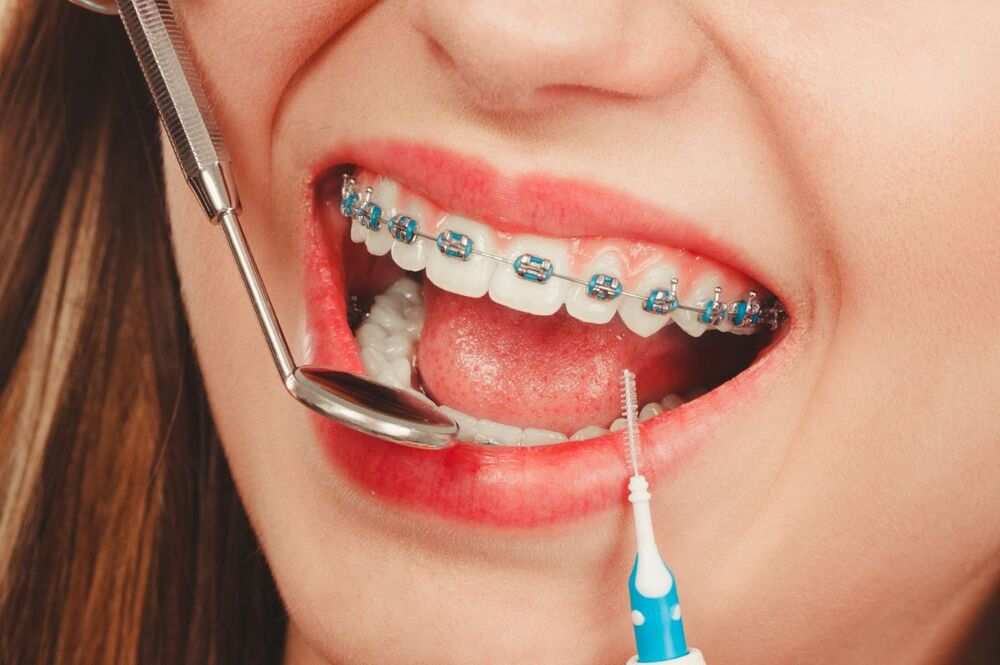
Evo Dental Clinic is structured specifically for international patients. The team communicates in English and Italian. Every patient receives a written treatment plan before travelling, full material documentation after treatment, and access to remote consultation on return.
Impianti dentali are planned using 3D CBCT imaging. All-on-X procedures use internationally certified implant systems. Aesthetic treatments — veneers, whitening, smile design — are carried out by specialists with documented European qualifications.
The savings are real. So is the standard.
If you want a specific cost breakdown for your treatment, a free consultation gives you a written plan with no obligation to proceed.