


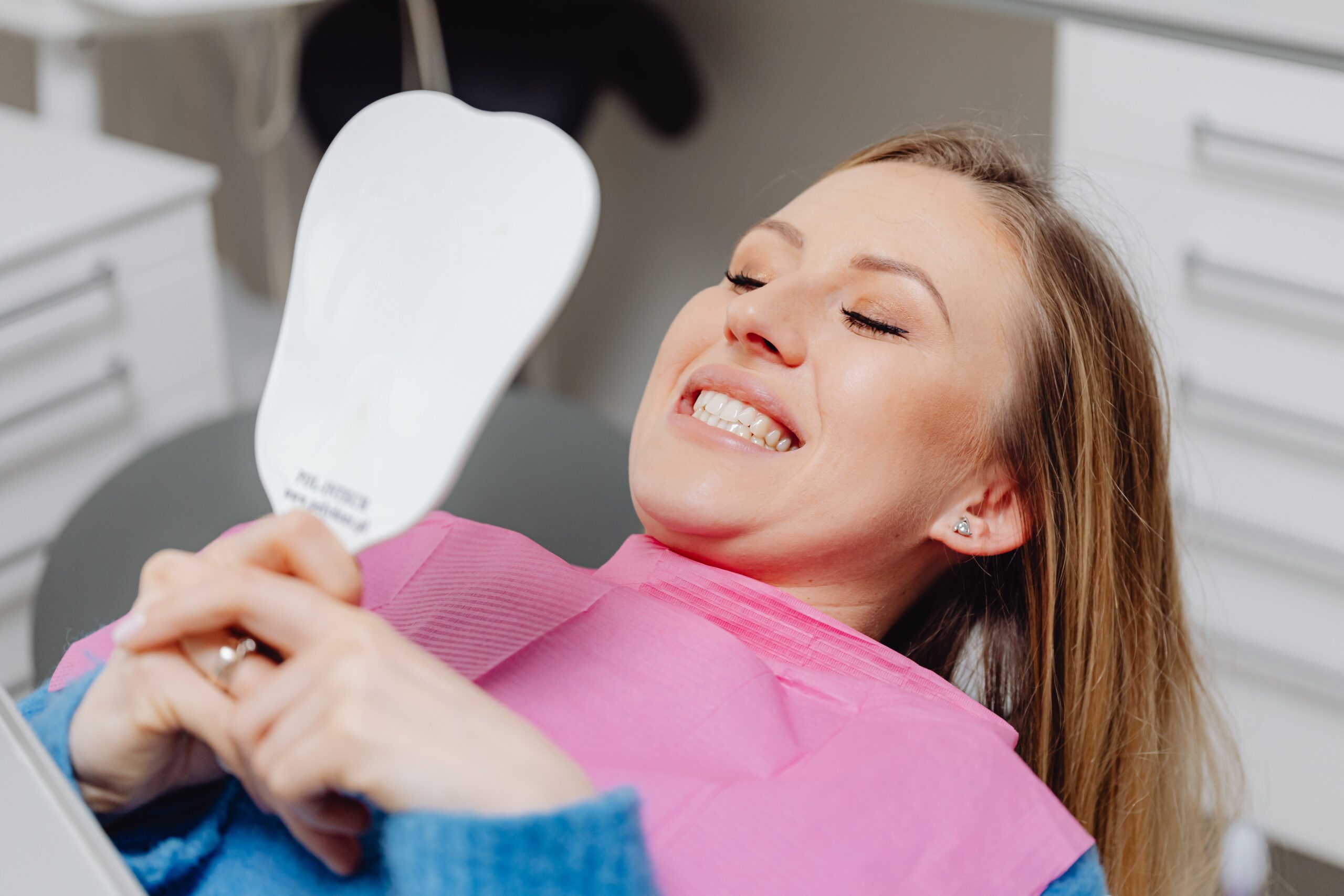
The good news about dental implant recovery is that the part you feel — the swelling and soreness — is largely behind you within a week, even though the deeper healing that locks the implant into place continues quietly for a few months. Knowing what’s normal at each stage takes the anxiety out of the process and helps you heal faster. Below is a realistic, day-by-day guide to what happens after dental implant surgery — though your own surgeon’s specific instructions always come first, since every patient and every case is a little different.
What to Expect From Dental Implant Recovery
Most people are pleasantly surprised by how manageable dental implant recovery is. Modern implant surgery is precise and minimally invasive, and the discomfort is usually far less than patients fear. There are really two phases to understand: the short-term soft-tissue recovery, measured in days, when swelling and tenderness fade; and the longer osseointegration phase, measured in months, when the implant fuses with your jawbone. You’ll feel back to normal long before the second phase finishes.
Stage 1: The Day of Surgery (Day 0)
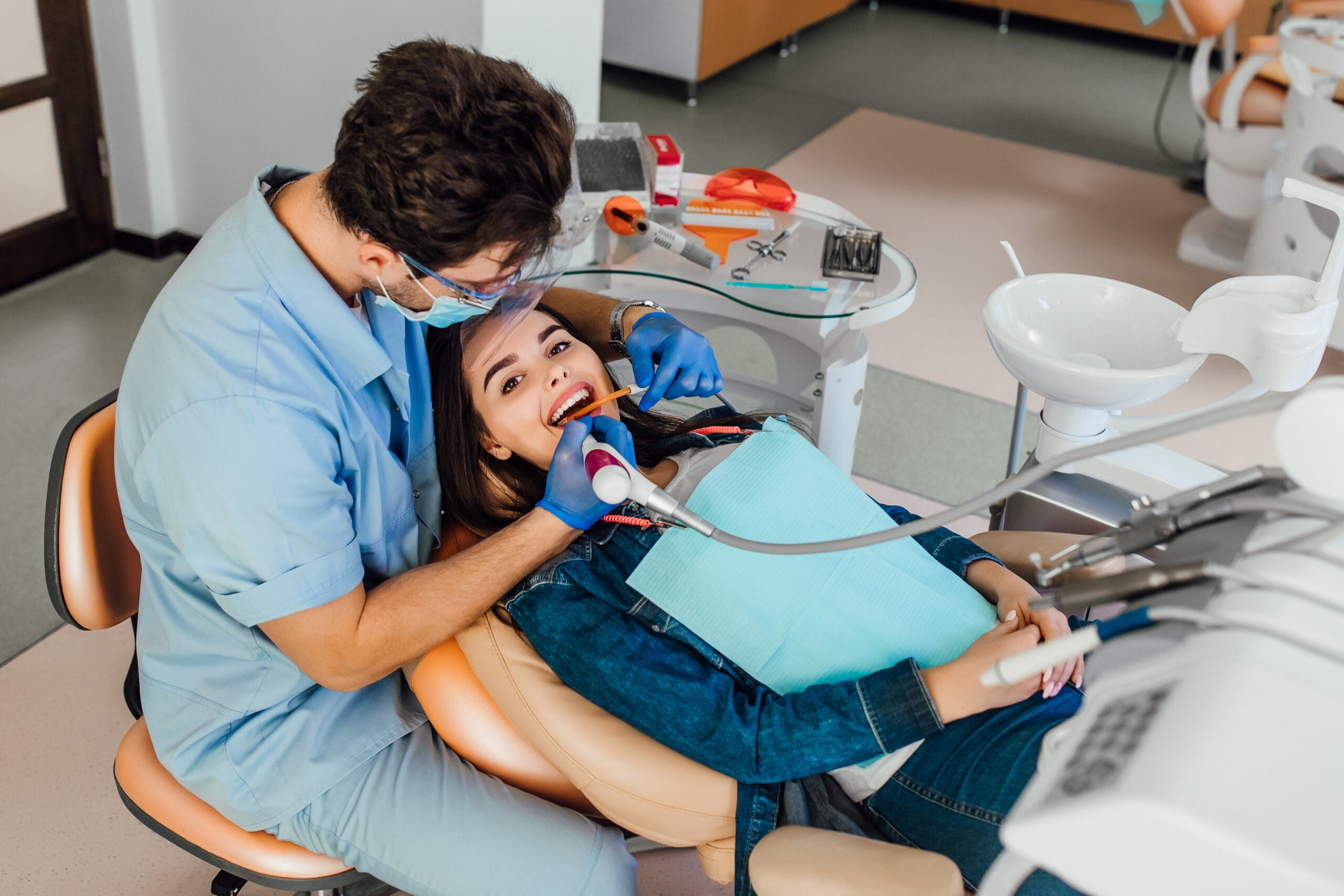
Right after surgery, as the anesthesia wears off, expect some minor bleeding or oozing at the site — this is normal, and gentle pressure on gauze controls it. Mild discomfort begins as the numbness fades, so take any prescribed pain relief before it sets in fully. Apply an ice pack to your cheek in intervals to limit swelling, rest, and keep your head slightly elevated. Stick to cool, soft foods and avoid disturbing the area. This first day of dental implant recovery is about rest, not activity.
Stage 2: Days 1–3: Peak Swelling
Swelling and any bruising typically peak around 48 to 72 hours after surgery — so if you feel a little worse on day two than day one, that’s expected, not a setback. Keep using ice for the first day or two, continue your pain medication as directed, and eat soft, lukewarm foods. Avoid smoking, drinking through straws, spitting forcefully, or anything that creates suction, as these can disturb the healing site. Gentle rest through this window pays off.
Stage 3: Days 3–7: Turning the Corner
By now, most patients notice a clear improvement. Swelling begins to subside, discomfort eases, and you can usually reduce or stop pain medication. Gentle oral hygiene and any prescribed salt-water rinses help keep the area clean. You can gradually reintroduce more foods, still favoring softer options and chewing away from the surgical site. This is the stage where dental implant recovery starts to feel genuinely easy.
Stage 4: Week 1–2: Soft Tissue Heals
The gum tissue continues to close and heal over the first couple of weeks. If you have non-dissolving sutures, they’re typically removed around the one-week mark in a quick, painless visit. Most people return to work and normal daily routines within a few days of surgery, though you should still avoid very hard or crunchy foods near the site. By the end of this stage, the visible part of dental implant recovery is largely complete.
Stage 5: Weeks 2–6: Back to Normal
During this stretch, the soft tissues finish healing and the area feels essentially normal. You can eat a much wider range of foods comfortably and won’t think much about the implant day to day. Underneath the surface, though, the most important process is just getting underway — which brings us to the phase that defines the full timeline.
Stage 6: Months 3–6: Osseointegration
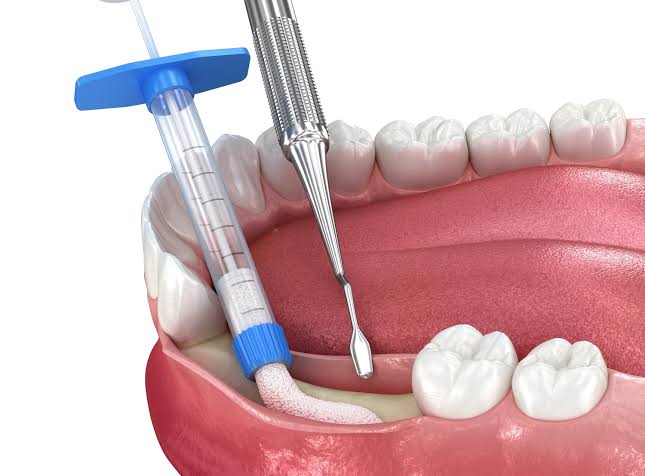
This is the quiet, crucial heart of dental implant recovery. Over roughly three to six months, the titanium implant fuses with your jawbone in a process called osseointegration, forming a foundation as strong as a natural tooth root. You feel nothing during this — you carry on with normal life — but it’s what makes an implant a permanent, lifelong solution rather than a temporary fix. In cases involving bone grafting or complex oral surgery, your surgeon may adjust this window.
Stage 7: The Final Restoration
Once your implant has fully integrated, you return to have the final crown, bridge, or full-arch prosthesis fitted. This completes your treatment with a strong, natural-looking tooth or set of teeth — the moment the whole process has been building toward.
How to Support Your Recovery — and When to Call
You can actively help your dental implant recovery: rest for the first couple of days, eat soft and nutritious foods, stay hydrated, keep the area clean as instructed, and — importantly — avoid smoking, which significantly slows healing. Follow your post-op instructions closely. And while complications are uncommon, contact your clinic promptly if you experience severe or worsening pain after the first few days, bleeding that won’t stop, signs of infection such as pus or fever, or any numbness that doesn’t resolve. Reaching out early is always the right call.
Plan Your Treatment With Evo Dental Clinic
A smooth recovery starts with expert surgery and clear aftercare guidance — both of which are central to how we work. At Evo Dental Clinic in Tirana, our specialists use advanced technology for precise, comfortable implant placement, and support you with detailed instructions and follow-up at every stage, including for international dental tourism patients.
Considering dental implants and want to know what your recovery would look like? Contact us or call +355 69 955 9555 for a free consultation and a personalized treatment plan.
Evo Dental Clinic — a leading dental clinic in Tirana, Albania, offering dental implants, All-on-4, oral surgery, and full mouth rehabilitation for international patients. This article is general guidance and not a substitute for your surgeon’s specific post-operative instructions.